
Turning hopes and guesses into real evidence
In this chapter, you will:
- Choose a simple tracking method that fits your lifestyle.
- Record what actually happens, not just what you remember.
- Notice patterns in your follow-through and results.
By the end of this chapter, you will:
- Have a factual record of your progress, not fuzzy memories.
- Spot what’s working and what’s getting in the way.
- Feel more accountable, focused and honest with yourself.
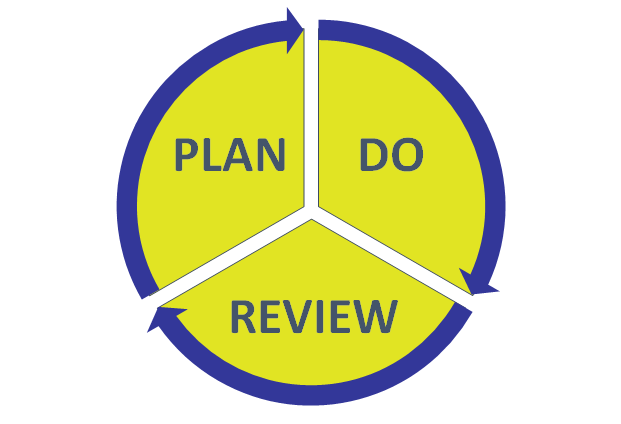
Once you start putting your plan into action, it’s easy to lose track of what’s working and what’s not. That’s where tracking comes in. This chapter helps you stay grounded in reality, not memory. So you can see what you’re actually doing, not what you hope you’re doing.
Next chapter: we will learn how to review your experience and learn from what happened.
Why It’s Important to Track What You Do
Our memory is not always reliable. We often forget how many times we followed through on a new habit, or we overthink it and end up feeling like we failed, even when we didn’t. Tracking helps us stay honest. It gives us a clear record of what really happened, not just what we think happened.
When we track our actions, we create a record we can learn from. We can see what worked well, spot what got in the way, and start making smarter decisions. It also acts as a reminder that we’ve made a commitment and gives us a little nudge to keep showing up.
There are lots of ways to track your actions. You do not need anything fancy. Choose a method that feels simple, and actually works for you.

Different Ways to Track Your Action
1. The Simple Tick Sheet
What it is:
A simple table or list where you tick off each day you complete your action.
How it works:
Write the days of the week across the top. Each day, tick the box if you did the action.
Why it works:
it’s satisfying to tick things off, and easy to spot your progress. It keeps you focused without needing lots of explanation.
Example:
| Day | Mon | Tues | Wed | Thurs | Fri | Sat | Sun |
| Action done? | ✅ | ✅ | ❌ | ✅✅ | ✅ | ❌ | ✅ |
2. Dot System or Colour Coding
What it is:
A way to track your days using symbols or colours, rather than words.
How it works:
Choose one symbol or colour for a successful day, another for a partial success or Plan B day, and another for a missed day. Add them to a calendar, notebook or printout.
Why it works:
it’s simple and visual. You can see patterns quickly, like which days tend to go well and which ones slip.
Example:
✅ = Full success
🟡 = Used Plan B
❌ = Missed
3. Habit Tracking App
What it is:
A mobile app that helps you log daily actions and habits.
How it works:
Set your habit in the app. Every day, tick it off when you complete it. Some apps also send reminders and show progress streaks or graphs.
Why it works:
Great for people who always have their phone nearby. It adds structure, and some apps make it fun with rewards and streaks.
Example apps:
Streaks, Done, Habitica, HabitBull, or even the Reminders app on your phone.
4. Wall Calendar or Diary
What it is:
A physical calendar or planner where you mark each day you complete your action.
How it works:
Hang a wall calendar somewhere you will see every day. Mark each success with a simple symbol, tick or sticker. A diary works the same way.
Why it works:
it’s visible and always in front of you. Helps you build a visual streak and keeps the habit top of mind.
Example:
Put a green tick or smiley face on your calendar for each successful day. After a week, you will start to see a chain forming. The goal becomes: “Don’t break the chain.”
5. Sticker Chart
What it is:
Yes, just like the ones used with kids and it still works for grown-ups.
How it works:
Print a simple chart or use a notebook. Add a sticker each time you complete your action. Use colourful or themed stickers to make it more fun.
Why it works:
it’s light-hearted, visual and rewarding. Great for people who are hard on themselves, as it brings a bit of joy into the process.
Example:
Each day you do your action, add a sticker. Gold star for full success, silver star for a Plan B day.
Wrapping Up
Tracking what actually happens gives you the facts, not fuzzy memories, guesses, or assumptions. It helps you see your wins more clearly, spot patterns you might have missed, and adjust your approach with confidence.
Even the simplest tracking method can keep you focused and honest. It turns your progress into something visible, not just something you hope is happening.
If you’d like help setting up a simple tracking routine or want more structured support interpreting what your progress is telling you, you can work with me through my In-Depth Coaching service.
Find out more or get started by clicking here.
Turn one idea from this chapter into a real-life action. Write your plan in your notebook.