Choosing one clear action to move you forward
In this chapter, you will:
- Pick a single, specific action you can realistically take this week.
- Decide when and how you’ll do it, and what might get in the way.
- Create a simple backup plan (Plan B) for tough days.
By the end of this chapter, you will:
- Have a clear, practical step to act on straight away.
- Feel more in control and less overwhelmed.
- Build momentum by focusing on success with small, consistent actions.
Change happens one action at a time. This chapter helps you choose a simple, specific step to take. Something realistic enough to succeed with, but meaningful enough to build momentum. Once your plan is clear, you can start taking real-world action and see what happens.
Next chapter: we’ll look at how to track what happens, so you can stay honest, focused, and learn as you go.
Why Planning Is Important
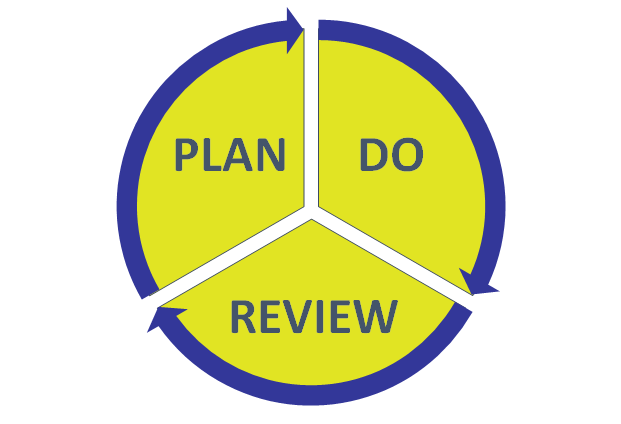
Most people don’t fall into bad habits because they made a bad decision. They fall into them because they didn’t make a decision at all. They simply defaulted to whatever was easiest or most convenient in the moment. And let’s face it, the easy option is rarely the one that supports long-term health or fitness.
Planning ahead puts you back in control. It lets you choose what matters most, instead of being pulled along by stress, time pressure or mood. With a simple plan, you can prioritise important behaviours, build consistency, and avoid getting distracted by everything else that competes for your attention.
In short, if it matters, plan for it.
How to Plan Your Next Small Step
To keep things simple and effective, get your notebook and write answers to the following four questions. These will help you choose an action you can actually do, not just dream about.
1. What specific action will you take?
Be clear. Focus on one action you can either do or not do. Avoid vague goals like “try harder” or “be more mindful.” They are not actions.
Instead, pick something you can physically act on. For example:
- Go for a 10-minute walk
- Prep lunch for tomorrow
- Stretch before bed
Keep it small and realistic. If it feels too hard, scale it down. Success builds from consistent, doable actions.
2. What day or time of day would probably work best for you?
Now that you know what you want to do, decide when you will do it. Pick a time of day, or tie it to something you already do, like “after breakfast” or “once the kids are in bed.”
It helps even more if it’s something you can do most days. Habits are built through repetition, so the more chances you get to practise, the better.
3. What could go wrong or get in the way?
Life happens. You will get tired, interrupted or invited to something unexpected. Take a moment to think ahead. What might make your plan difficult?
Are there late work days coming up? A family event? A week where your routine will be off? Be honest with yourself. Not to discourage you, but to be prepared.
4. What is your contingency action?
If your original plan goes out the window, what is your backup? A good Plan B is simpler, quicker or easier, but still keeps you moving forward.
Ask yourself:
“If it’s a bad day and nothing goes to plan, what is the smallest version of this action I could still do?”
Examples:
- If you cannot walk for 30 minutes, can you walk for 10?
- If you cannot prep lunch for the week, can you prep just tomorrow’s?
- If you miss your gym session, can you do a few stretches before bed?
Contingency plans protect your momentum. They stop a rough day from turning into a lost week.
Wrapping Up
Taking time to plan your next action means you’re no longer reacting to life, you’re leading it. Even a small, simple step can have a powerful impact when it’s clear, intentional, and something you’ve set up for success.
By thinking ahead about what might get in the way and how you’ll respond, you’re not just making a plan, you’re building confidence.
If you’d like help choosing the right actions, setting up stronger plans, or staying on track as life gets busy, that’s what my In-Depth Coaching is here for.
Find out more or get started by clicking here.
What is your next step based on what you just read? Write it in your notebook.